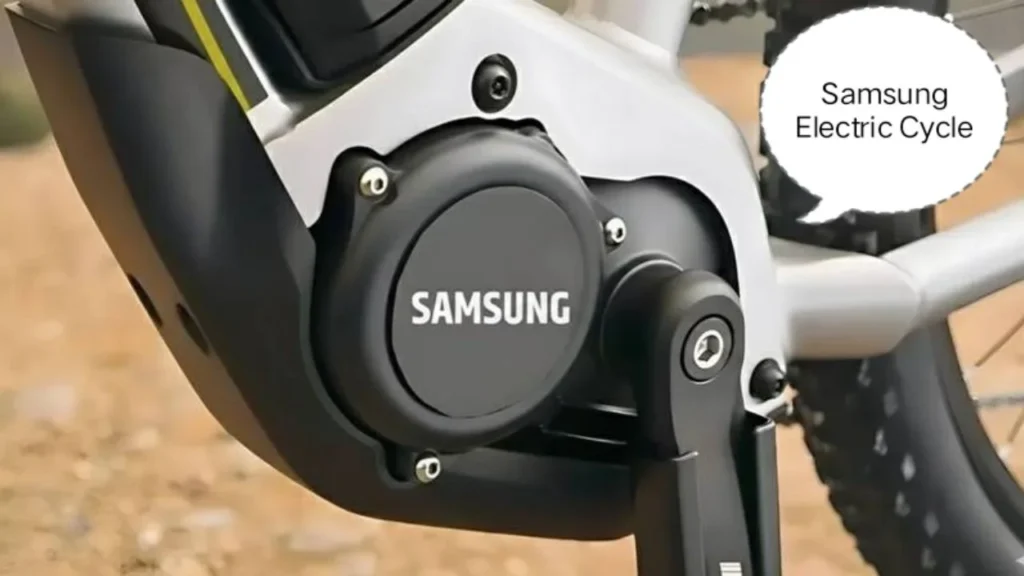
Samsung Electric Cycle arrives at a moment when India’s cities are rethinking mobility. Traffic congestion keeps worsening, fuel prices remain unpredictable, and pollution levels continue to raise concerns. Commuters are actively searching for affordable, practical alternatives that don’t compromise convenience.
Into this changing landscape steps the Samsung Electric Cycle, a product that blends everyday cycling with intelligent electric assistance. Backed by Samsung’s global technology reputation, this move hints at a broader ambition: shaping the future of short-distance urban transport with smarter, cleaner solutions.
Why the Samsung Electric Cycle Matters Now
India’s daily commute often involves short distances, crowded roads, and rising transportation costs. Traditional scooters offer speed but demand fuel and maintenance. Conventional bicycles cost less but require physical effort that not everyone can sustain daily.
The Samsung Electric Cycle bridges that gap. It delivers pedal-powered flexibility with electric support when needed. For students, office commuters, and small business operators, that balance creates a practical and cost-effective mobility option. As electric adoption accelerates across two-wheelers, this category stands poised for rapid growth.
Clean, Modern Design With Everyday Comfort
Built for Urban Riders
Samsung appears to have focused on simplicity and function rather than flashy styling. Expect a lightweight yet sturdy frame engineered for stability on uneven city roads. The geometry promotes an upright riding posture, reducing strain during longer trips.
A comfortable saddle, balanced weight distribution, and ergonomic handlebar placement make the Samsung Electric Cycle suitable for riders across age groups. Whether navigating narrow lanes or riding through residential neighborhoods, the design prioritizes control and ease of use.
Electric Assistance That Feels Natural
Tuned for Real Traffic Conditions
Instead of chasing high speeds, the motor system focuses on smooth, progressive assistance. The electric boost activates during acceleration, uphill climbs, and extended rides, helping reduce fatigue without overpowering the rider.
This measured power delivery suits India’s stop-and-go traffic patterns. Riders can maintain steady momentum without constant physical strain. The experience feels like enhanced cycling rather than riding a full-fledged scooter.
Multiple riding modes allow users to adjust assistance levels. A lower setting conserves battery and supports exercise, while higher modes provide stronger assistance for demanding routes. That adaptability expands the Samsung Electric Cycle’s appeal to both fitness enthusiasts and daily commuters.
Advanced Battery Backed by Samsung Expertise
Battery technology represents the strongest pillar of this product. Samsung’s established leadership in lithium-ion systems provides confidence in safety and durability. The electric cycle is expected to use a high-quality battery pack designed for stable output and long service life.
On a full charge, it should comfortably handle daily commuting needs. For many riders, charging every few days may prove sufficient. Integrated battery management systems protect against overheating, overcharging, and deep discharge, reinforcing safety in hot and humid conditions.
Charging remains affordable compared to fueling petrol vehicles, further strengthening the ownership case.
Smart Features for a Connected Generation
Samsung integrates digital intelligence into its electric mobility offering. A display unit provides essential information such as speed, distance traveled, battery level, and selected riding mode.
Higher versions may offer smartphone connectivity, enabling ride tracking, battery health monitoring, and system alerts. These features bring data-driven insights to everyday cycling, aligning with the expectations of tech-savvy urban consumers.
In a market where many electric cycles remain basic, this connected approach could help the Samsung Electric Cycle stand apart.
Safety and Stability on Indian Roads
Urban riders demand dependable braking and control. The electric cycle is expected to feature strong braking systems, potentially including disc brakes for improved stopping power in wet or dusty conditions.
High-grip tires and integrated lighting systems enhance visibility and traction. These additions ensure the cycle performs reliably in early morning commutes and evening rides, when visibility often becomes challenging.
Low Operating Cost, High Long-Term Value
Electric cycles naturally deliver lower running costs compared to fuel-powered alternatives. Charging costs only a fraction of daily petrol expenses, and maintenance remains straightforward due to fewer moving components.
For families, the Samsung Electric Cycle could serve as a practical secondary vehicle. For delivery partners and small entrepreneurs, it becomes an efficient last-mile solution that protects margins.
Over time, savings on fuel and servicing may offset the initial purchase price, strengthening its appeal as a long-term investment.
Environmental Impact and Broader Industry Context
India continues to push toward electrification across mobility sectors. Electric cycles contribute meaningfully to this transition by reducing reliance on fossil fuels while cutting urban emissions.
Unlike high-speed electric scooters, electric cycles require less infrastructure and face fewer regulatory hurdles. That advantage allows faster adoption across both metro cities and smaller towns.
If priced competitively, the Samsung Electric Cycle could pressure existing e-cycle brands to improve battery quality and introduce smarter features. Samsung’s brand trust and service reach may further accelerate market acceptance.
Who Should Consider It?
This product suits students commuting to campus, professionals traveling short urban distances, and fitness-conscious riders who want flexible exercise options. It also supports senior citizens seeking manageable mobility and delivery workers needing low-cost transportation.
Its versatility makes it one of the most inclusive electric mobility formats currently emerging in India.
Final Thoughts: A Smart Step Toward Cleaner Mobility
The Samsung Electric Cycle represents more than a new product launch. It signals how established technology companies are entering the personal mobility space with practical, intelligent solutions.
By combining lithium battery expertise, smart connectivity, and user-friendly design, Samsung positions this cycle as a realistic alternative to petrol-based commuting. As cities continue to evolve and demand cleaner transport options, products like this will likely play a central role in shaping India’s next mobility chapter.
If execution matches ambition, the Samsung Electric Cycle could redefine how millions approach short-distance travel—efficient, affordable, and emission-free.