The Wheat Penny remains one of the most fascinating and widely collected U.S. coins, even decades after it disappeared from circulation. Minted between 1909 and 1958, the Lincoln Wheat Penny has evolved from everyday pocket change into a serious collectible and, for some lucky owners, a valuable investment. As we move into 2026, interest in the Wheat Penny continues to rise, driven by nostalgia, scarcity, and strong demand from collectors and investors alike.
Whether you found a Wheat Penny in an old jar, inherited a collection, or are actively buying coins, understanding Wheat Penny value in 2026 is essential. Prices today depend on condition, rarity, mint mark, and overall market demand. Some common Wheat Pennies are still worth only a few cents, but others can sell for hundreds, thousands, or even millions of dollars.
This guide explains everything you need to know about Wheat Penny pricing, grading, key dates, and how to profit from old coins in 2026.
What Is a Wheat Penny and Why It Still Matters
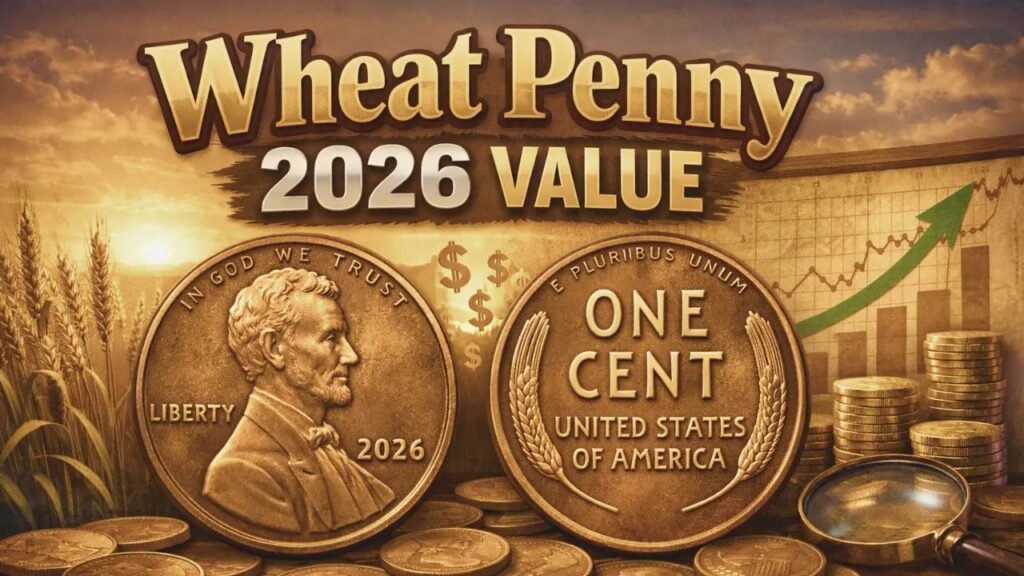
A Wheat Penny is the first U.S. coin to feature a real historical figure—Abraham Lincoln—on the obverse. Introduced in 1909 to mark Lincoln’s 100th birthday, it replaced the Indian Head cent. The reverse design shows two wheat stalks, symbolizing national prosperity, which earned the coin its popular nickname.
Although nearly 29 billion Wheat Pennies were produced, relatively few have survived in high-grade condition. Many were heavily circulated, damaged, or melted over time. Today, the Wheat Penny holds both historical importance and collectible appeal, making it a cornerstone of American numismatics.
Wheat Penny Value in 2026: What Determines the Price?
The value of a Wheat Penny in 2026 is influenced by four primary factors:
- Condition (Grade)
- Date
- Mint Mark
- Collector Demand
Among these, condition is the single most important factor. Two identical Wheat Pennies from the same year can have dramatically different values based solely on wear and preservation.
How Condition and Grading Affect Wheat Penny Prices
Professional coin grading uses a scale from Poor (P-1) to Mint State (MS-70). Even a small difference in grade can significantly impact Wheat Penny value.
- Poor to Good (P-1 to G-4): Heavy wear, faint details
- Fine (F-12): Moderate wear, readable date and wheat lines
- Extremely Fine (EF-40): Light wear, sharp details
- Uncirculated (MS-60+): No wear, full original luster
For example, a common 1944 Wheat Penny might be worth:
- $0.10 in Good condition
- $3–$5 in Extremely Fine
- $25–$50 in Mint State
High-grade Wheat Pennies certified by PCGS or NGC often sell for multiples of raw (uncertified) coins.
Also Read – 2026 Toyota Tacoma
Key Dates That Drive Wheat Penny Value Higher
Some Wheat Pennies are valuable regardless of condition because of low mintage or historical significance. These key dates are highly sought after in 2026:
- 1909-S VDB – The most famous Wheat Penny
- 1914-D – Low Denver mintage
- 1922 No-D – Minting error
- 1931-S – Depression-era scarcity
A 1909-S VDB Wheat Penny can sell for:
- $1,200+ in Fine condition
- $3,000+ in Extremely Fine
- $20,000+ in Mint State
These coins form the backbone of advanced Wheat Penny collections and remain strong investments.
Understanding Mint Marks and Their Importance
Mint marks indicate where a Wheat Penny was produced:
- D – Denver
- S – San Francisco
- No mark – Philadelphia
San Francisco and Denver mint coins often had lower production numbers, making them more valuable. In 2026, collectors still pay close attention to mint marks when completing full Wheat Penny sets.
For example:
- A 1931-S Wheat Penny can be worth $100–$400
- The same year from Philadelphia may be worth under $10
Mint mark scarcity continues to play a major role in pricing.
The Legendary 1943 Wheat Penny Explained
The 1943 Wheat Penny is one of the most misunderstood—and exciting—coins in U.S. history.
- Most 1943 Wheat Pennies were made of steel, not copper
- Steel versions are common and worth $1–$5 in circulated condition
- Rare 1943 copper Wheat Pennies were minting errors
A genuine 1943 copper Wheat Penny is among the most valuable coins in existence. In recent auctions, authenticated examples have sold for $250,000 to over $1.7 million.
Because of counterfeits, professional certification is absolutely essential for any suspected copper 1943 Wheat Penny.
Wheat Penny Price Trends in 2026
In 2026, Wheat Penny prices continue a long-term upward trend. Several factors contribute:
- Growing interest in tangible collectibles
- Inflation concerns driving alternative investments
- Increased online coin trading and awareness
- Limited supply of high-grade examples
Even common Wheat Pennies in uncirculated condition are appreciating steadily. Rare dates and error coins show the strongest growth, particularly when professionally graded.
How to Check the Value of Your Wheat Penny
To estimate your Wheat Penny’s value in 2026:
- Identify the date and mint mark
- Examine condition under good lighting
- Compare with recent auction results
- Use price guides from PCGS, NGC, or Red Book
- Consider professional grading for valuable coins
Certified Wheat Pennies almost always sell for higher prices and are easier to sell confidently.
Where to Sell Wheat Pennies in 2026
Sellers today have multiple options:
- Local coin shops – Fast but usually lower offers
- Online marketplaces (eBay) – Good for common coins
- Major auction houses – Best for rare Wheat Pennies
- Coin shows – Direct access to collectors
For high-value Wheat Pennies, auctions and certified sales remain the safest and most profitable route.
Wheat Penny Value: Today vs 10 Years Ago
Compared to 2016, Wheat Penny prices in 2026 are noticeably higher:
- Common uncirculated coins: up 40–70%
- Key dates: up 80–150%
- Error coins: record-breaking prices
This growth reinforces the Wheat Penny’s reputation as a stable long-term collectible.
Future Outlook: Is the Wheat Penny a Good Investment?
Looking ahead, the Wheat Penny market appears strong. High-grade coins remain scarce, and demand continues to grow as new collectors enter the hobby. While common dates may see slower growth, rare Wheat Pennies and certified examples are expected to appreciate further.
For collectors, the Wheat Penny offers history, affordability, and potential profit—an ideal combination in the coin world.
Final Thoughts
The Wheat Penny is far more than an old cent. In 2026, it represents American history, collector passion, and real financial value. Whether you own a single coin or an entire collection, understanding grading, rarity, and market trends can turn forgotten change into meaningful wealth.
If you have old Wheat Pennies tucked away, now is the perfect time to look again—you might be holding a small piece of American treasure.
Some Important Link
| Join WhatsApp Group | Click Here |
| Home Page | Click Here |